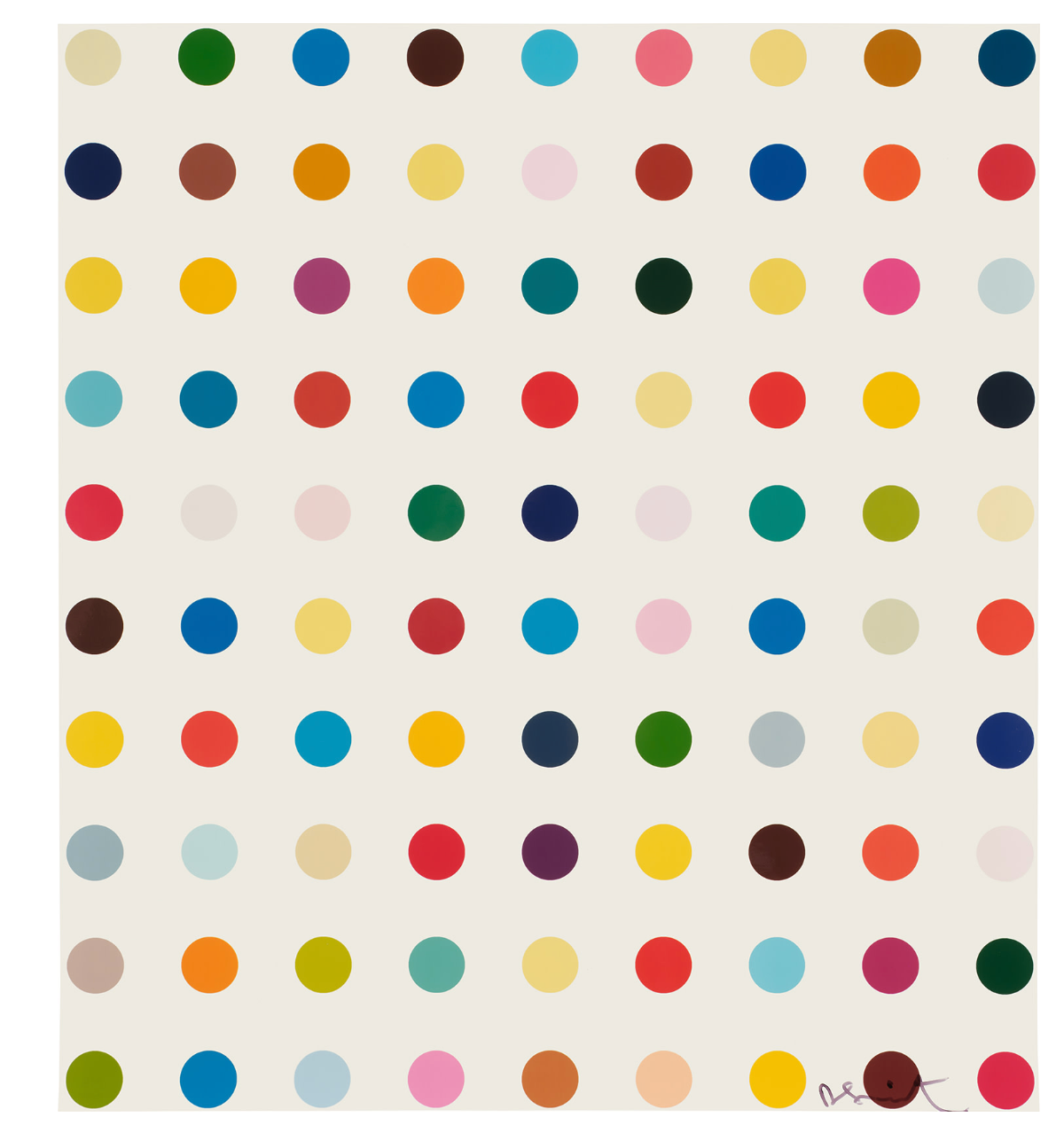
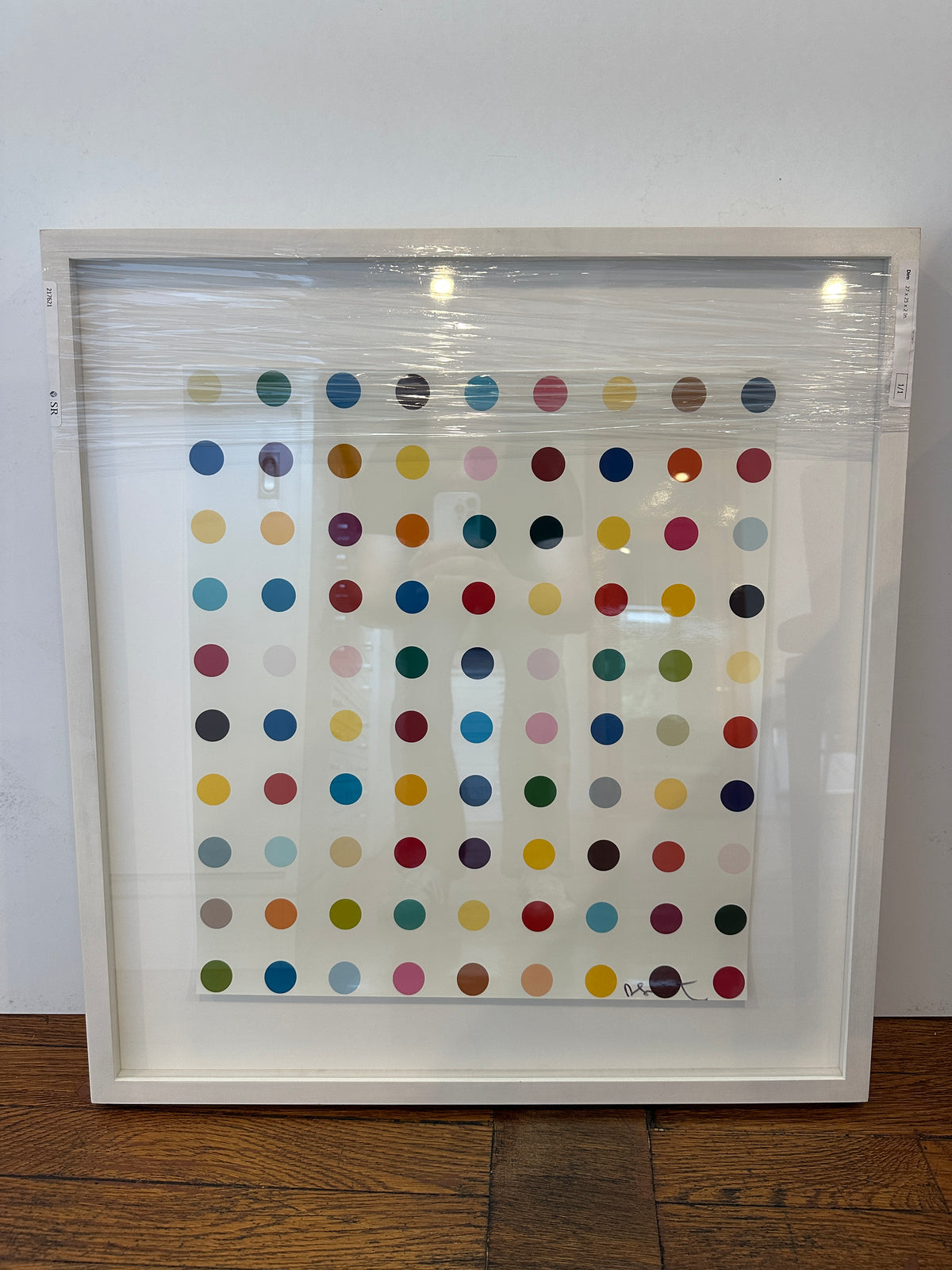
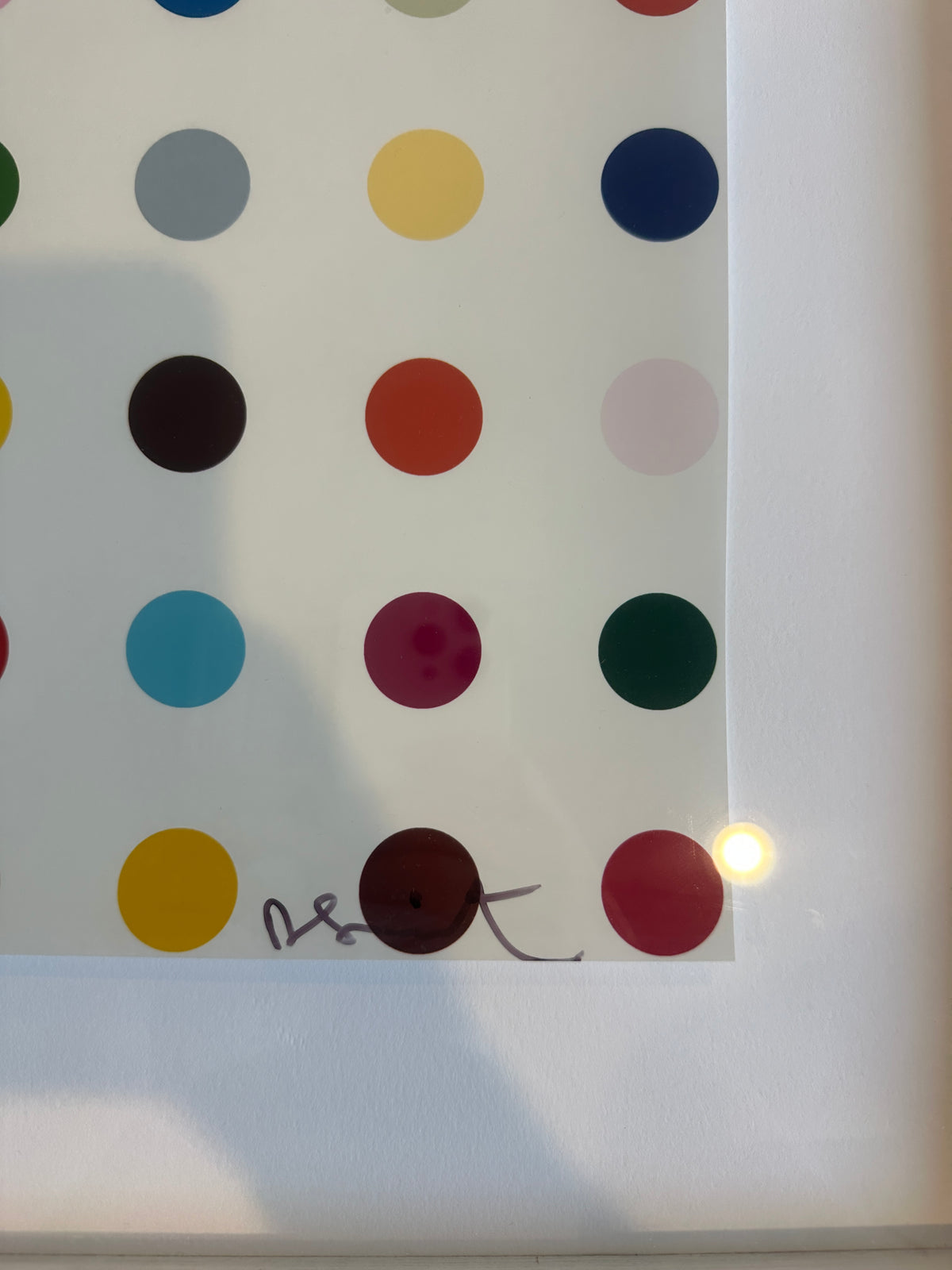
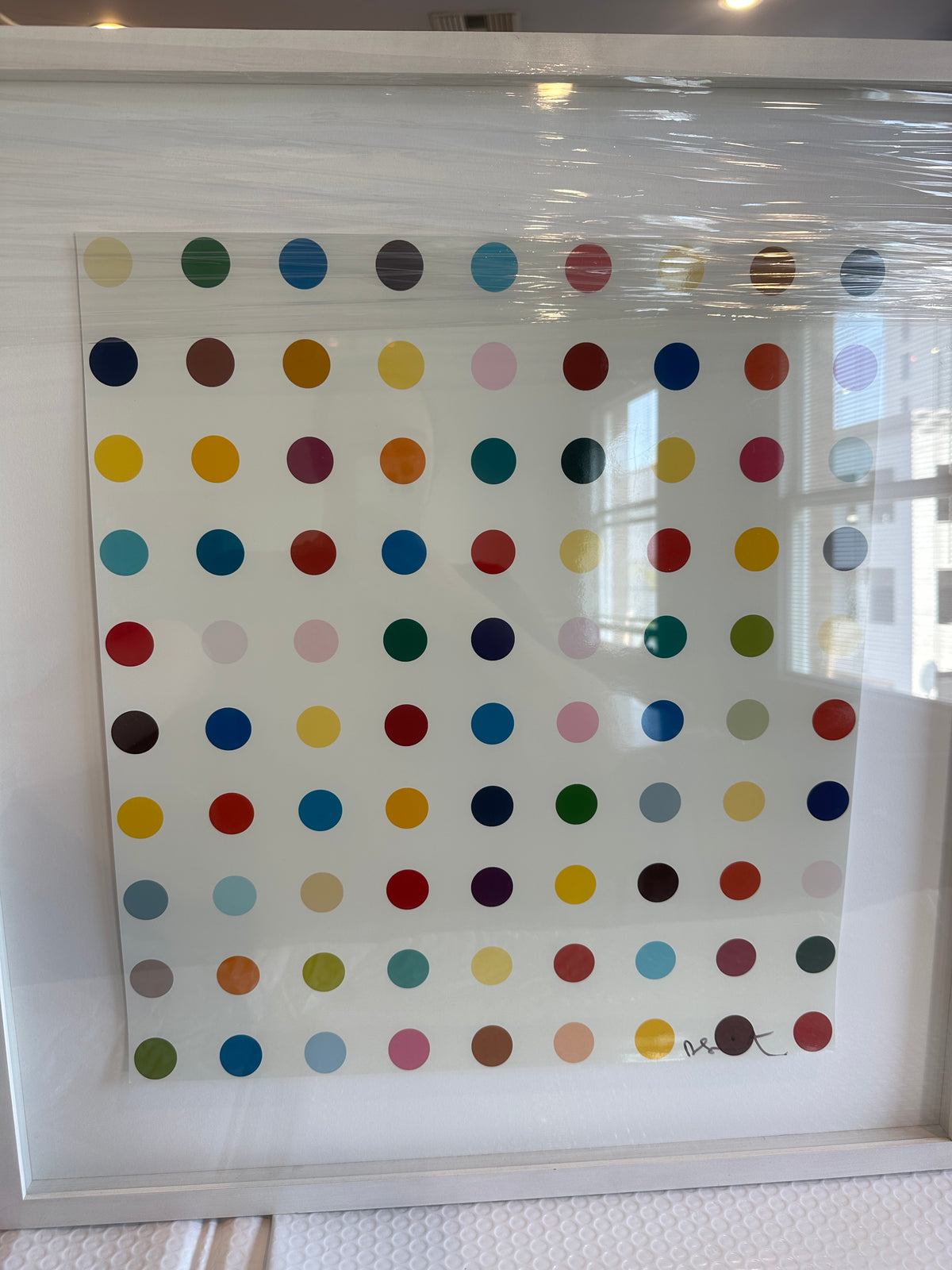
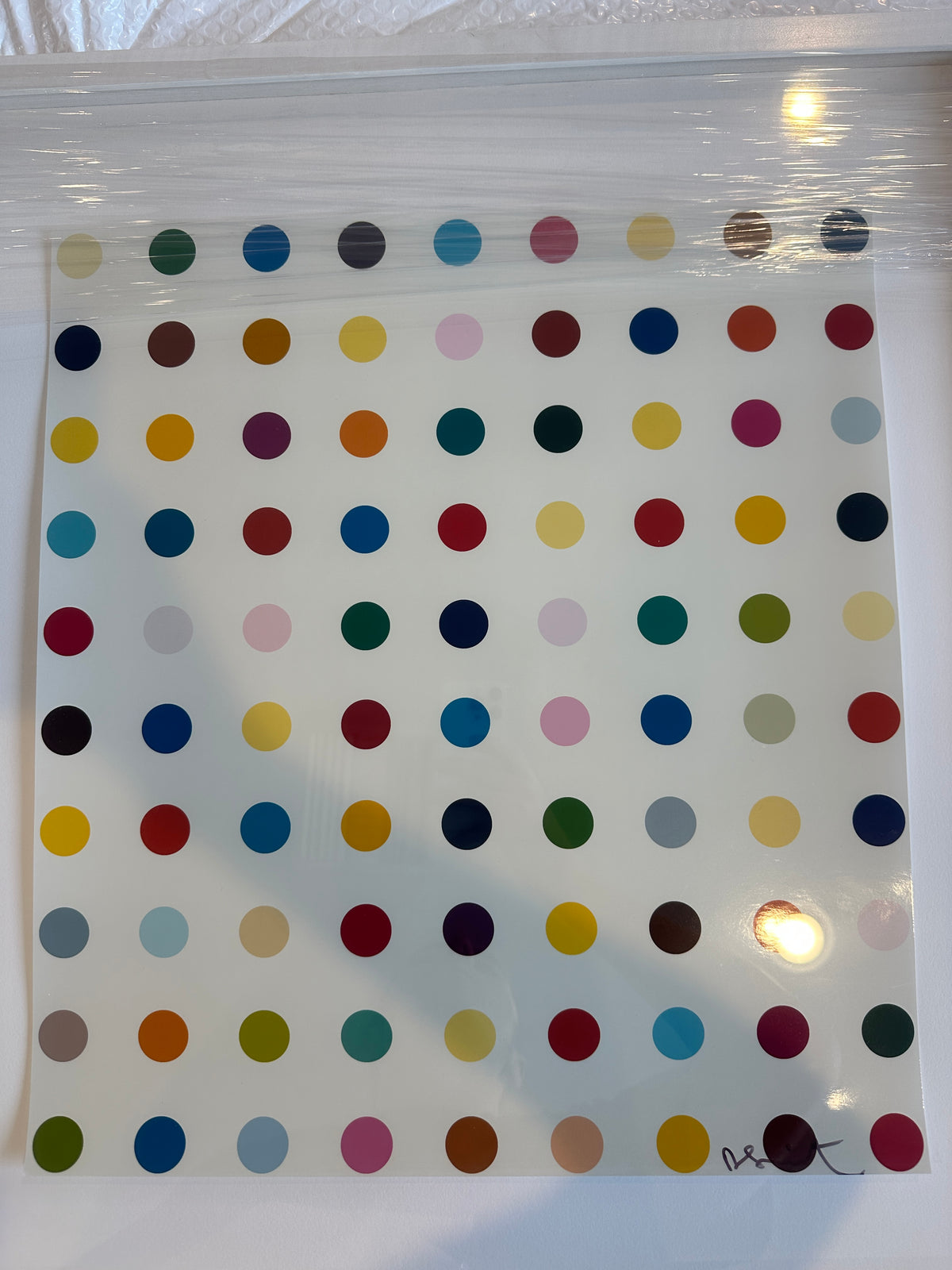
01 / 05
Price upon request
We reply within one business day.
About the work+
Authenticity+
All works are accompanied by a gallery-issued Certificate of Authenticity and undergo a multi-step authentication review prior to placement.
Our team brings over 15 years of secondary market experience, with particular expertise in works on paper. Evaluation considers editioning, paper, ink, signatures, and condition.
Provenance research is conducted for every work. All pieces offered are either owned by Mimesis or consigned by carefully vetted collectors.
Our team brings over 15 years of secondary market experience, with particular expertise in works on paper. Evaluation considers editioning, paper, ink, signatures, and condition.
Provenance research is conducted for every work. All pieces offered are either owned by Mimesis or consigned by carefully vetted collectors.
Purchasing & Delivery+
All transactions are handled securely and discreetly.
We accept wire transfer, ACH invoice, and approved card payments. Payment instructions and terms are confirmed upon availability.
All works ship from our Los Angeles studio and are fully insured. Delivery is handled by trusted fine art logistics partners experienced with museum and private collections. Domestic and international shipping, custom framing, and white-glove delivery can be arranged based on location and medium.
Preparation and dispatch typically require 7–10 business days.
Our team remains the point of contact from inquiry through delivery.
We accept wire transfer, ACH invoice, and approved card payments. Payment instructions and terms are confirmed upon availability.
All works ship from our Los Angeles studio and are fully insured. Delivery is handled by trusted fine art logistics partners experienced with museum and private collections. Domestic and international shipping, custom framing, and white-glove delivery can be arranged based on location and medium.
Preparation and dispatch typically require 7–10 business days.
Our team remains the point of contact from inquiry through delivery.
Framing+
We offer archival framing for works acquired from our archive. All framing is museum-grade and designed to conservation standards, including:
* 99% UV-protective plexiglass
* Fully reversible archival mounting
* Acid-free backing and matting
* A range of hardwood and metal mouldings
To receive a custom framing quote or discuss presentation options, please contact an advisor directly.
* 99% UV-protective plexiglass
* Fully reversible archival mounting
* Acid-free backing and matting
* A range of hardwood and metal mouldings
To receive a custom framing quote or discuss presentation options, please contact an advisor directly.